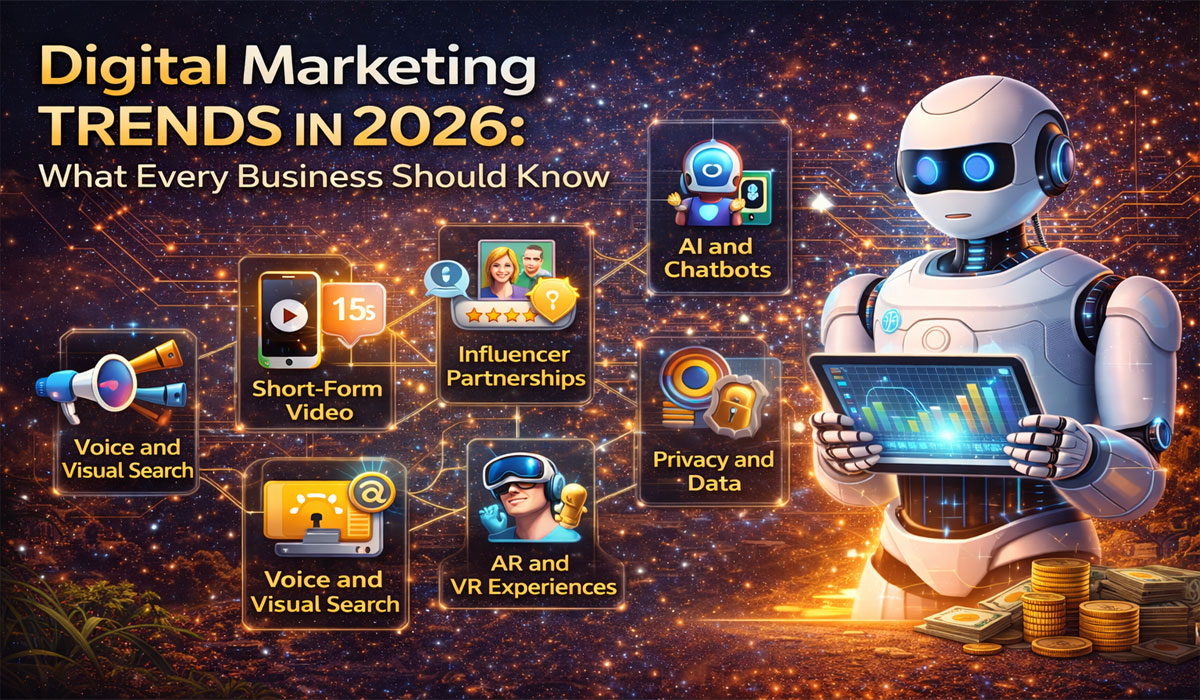
The internet economy has evolved into a highly interconnected system where attention, data, and behavior have become valuable forms of currency shaping modern.
Ultimately, the digital economy is no longer just about technology, but about understanding human behavior at scale and using that insight to create meaningful and effective connections. See and follow the complete information only at WikiTribune | First Class Online Web.
The Rise of Attention as a Digital Currency
In the modern internet economy, attention has become one of the most valuable assets. Every click, view, and interaction carries measurable economic value for businesses operating online.
Digital marketing strategies are designed specifically to capture and retain this attention. Platforms analyze user behavior in real time to deliver targeted content that increases engagement and conversion rates.
This shift means that businesses no longer compete only for products or services, but also for the limited attention span of users across digital platforms.
How Algorithms Shape Consumer Behavior
Algorithms play a central role in determining what content users see online. Social media platforms, search engines, and advertising networks rely on complex systems to personalize digital experiences.
These algorithms analyze browsing history, preferences, and interaction patterns to predict what users are most likely to engage with. As a result, every digital experience becomes highly tailored and individualized.
This level of personalization influences consumer decisions more than most people realize, subtly guiding what they buy, watch, and even believe online.
Also Read: HEBOH! How Digital Marketing Is Taking Over Every Industry in 2026
The Power of Data-Driven Marketing Strategies
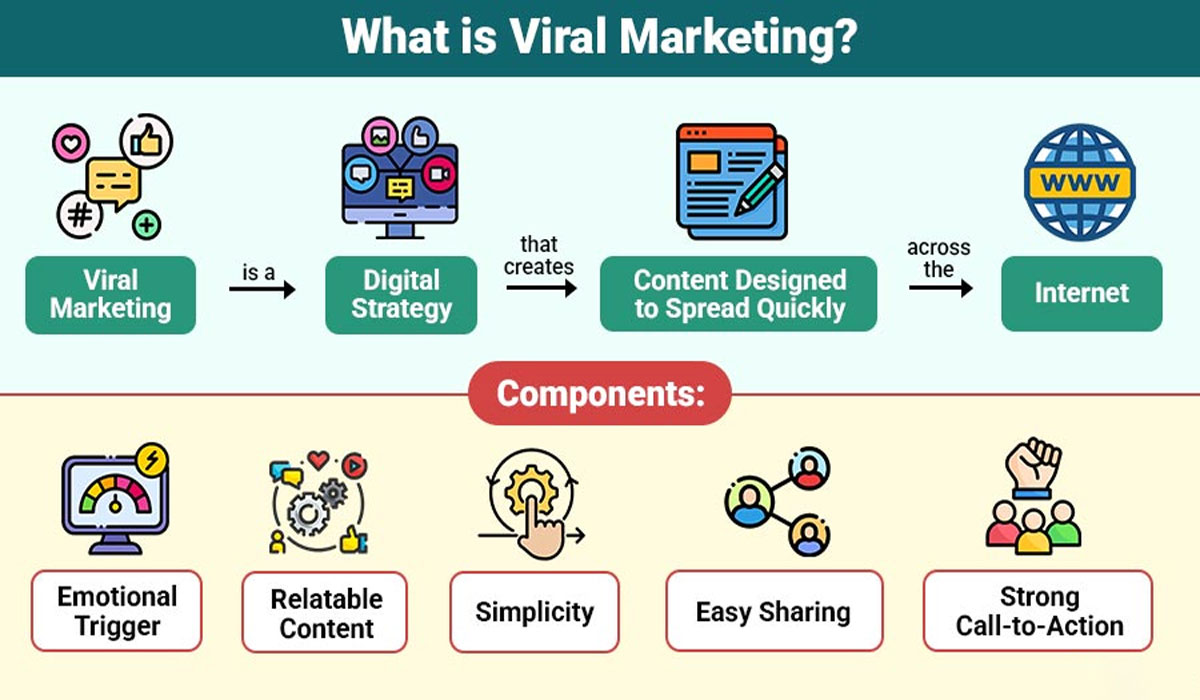
Data is the foundation of modern digital marketing. Companies collect and analyze massive amounts of information to understand customer behavior and improve campaign performance.
Through tools such as analytics dashboards and customer segmentation models, marketers can identify trends and optimize their strategies in real time. This allows for highly efficient targeting of specific audiences.
As data collection becomes more advanced, businesses are able to predict consumer needs before they are even expressed, creating a proactive marketing environment.
The Influence of Social Media Ecosystems
Social media platforms have become dominant forces in shaping digital marketing strategies. They provide businesses with direct access to billions of users worldwide.
Influencer marketing, viral content, and short-form videos have become powerful tools for brand promotion. These methods rely heavily on engagement rather than traditional advertising approaches.
As social media continues to evolve, its role in the internet economy grows stronger, making it a central hub for commerce, communication, and cultural influence.
Conclusion
Digital marketing has quietly become one of the most powerful forces driving the internet economy. Through attention-based systems, algorithmic influence, and data-driven strategies, it shapes how users interact with the digital world.
While most of these processes operate behind the scenes, their impact is visible in everyday online behavior and business outcomes. Companies that understand and adapt to these systems gain a significant competitive advantage.
Ultimately, the digital economy is no longer just about technology, but about understanding human behavior at scale and using that insight to create meaningful and effective connections.
Sumber Informasi Gambar:
Gambar Pertama dari keppoid.com
Gambar Kedua dari suara.com