
Education is no longer just about classrooms and textbooks. In today’s fast-paced world, schools must adapt to technological advances.
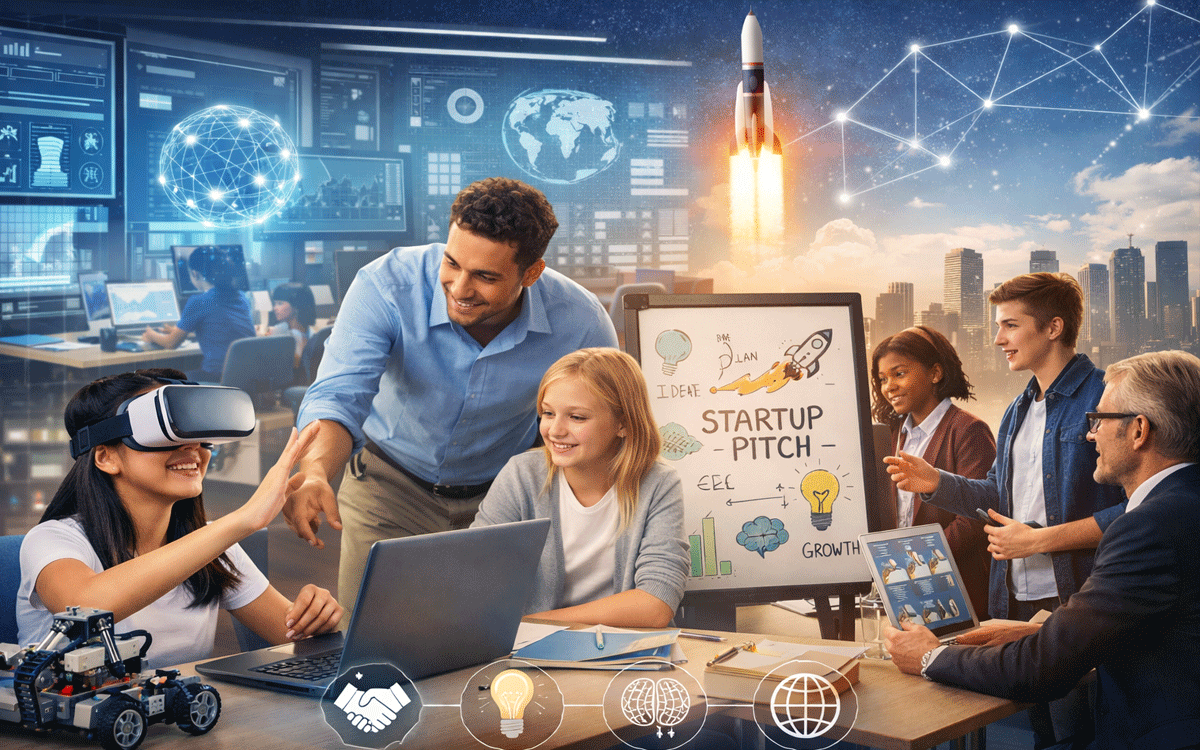
Modern education is about fostering creativity, critical thinking, and entrepreneurial skills. For schools and businesses alike, this transformation is an opportunity to innovate, collaborate, and prepare students for a future where adaptability and knowledge are currency. Embracing change in education is not optional it’s essential.
Below we First Class Online Web Por will discuss how schools can transform towards modern, innovative education, leveraging technology, building entrepreneurial skills, and preparing students for success in an ever-evolving world.
Redefining Learning Spaces
Modern schools are moving beyond traditional classrooms. Flexible, tech-enabled spaces encourage collaboration and creativity, allowing students to learn at their own pace. Open areas, breakout rooms, and interactive labs create environments where ideas thrive.
Businesses partnering with schools can contribute by providing tools and resources for these spaces. Digital whiteboards, VR kits, and adaptive learning software enhance engagement and prepare students for tech-driven industries. Collaborative projects also mirror real-world business scenarios, bridging education and industry.
Reimagined spaces also support personalized learning. By integrating adaptive technology, educators can cater to individual student needs, ensuring that every learner can excel. This approach transforms the classroom into a dynamic, innovation-driven environment.
Integrating Technology in Education
Technology is no longer a supplementary tool it is central to modern education. Digital platforms, AI-driven learning, and virtual simulations empower students to explore complex concepts with ease. Schools embracing tech gain a competitive edge in the education market.
EdTech businesses play a crucial role by providing scalable solutions. Platforms for online courses, AI tutors, and gamified learning systems make education more interactive and measurable. This integration also helps schools attract tech-savvy families and forward-thinking investors.
Moreover, technology fosters global connectivity. Students can collaborate with peers worldwide, access international resources, and develop skills relevant for a digital economy. Schools become incubators for innovation and global citizenship.
Read Also: This is How Computer Network Technology in Education and Digital
Cultivating Entrepreneurial Mindsets
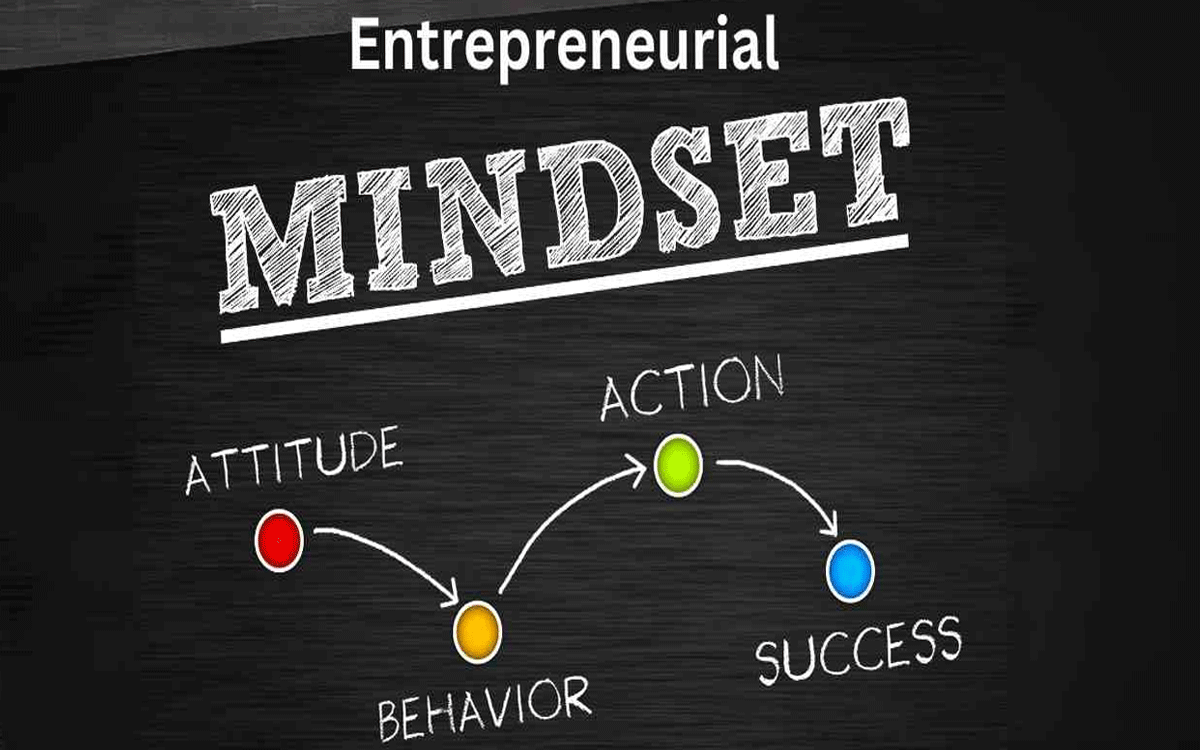
Modern education emphasizes entrepreneurship as a core skill. Schools encourage students to think creatively, solve real-world problems, and take calculated risks. Entrepreneurial programs bridge the gap between theory and practical business applications.
Partnerships with startups and corporations provide mentorship, funding, and project-based learning opportunities. This collaboration benefits students and businesses, creating a pipeline of young talent equipped to drive future markets. Schools can host innovation labs, pitch competitions, and incubator programs to cultivate these skills.
Fostering entrepreneurial thinking also enhances adaptability. Students learn to navigate uncertainty, iterate solutions, and embrace failure as part of growth. These lessons prepare them not only for careers but also for life beyond the classroom.
Emphasizing Soft Skills and Emotional Intelligence
In a world dominated by technology, soft skills are more important than ever. Communication, teamwork, empathy, and problem-solving are essential traits for modern professionals. Schools that prioritize emotional intelligence equip students to thrive in diverse work environments.
Businesses can support schools by designing training modules and workshops on leadership, negotiation, and collaboration. Integrating these programs ensures students graduate with holistic skill sets that match real-world demands, creating a direct link between education and workforce readiness.
Incorporating social-emotional learning also strengthens school culture. Students gain confidence, resilience, and the ability to navigate challenges effectively. This human-centered approach balances technological progress with personal growth.
Image Source:
- First Image from wikitribune.me
- Second Image from businesscoachtacoma.com
