
In today’s fast-paced digital landscape, marketing strategies are evolving faster than ever, Businesses must stay ahead of trends to capture attention audiences.
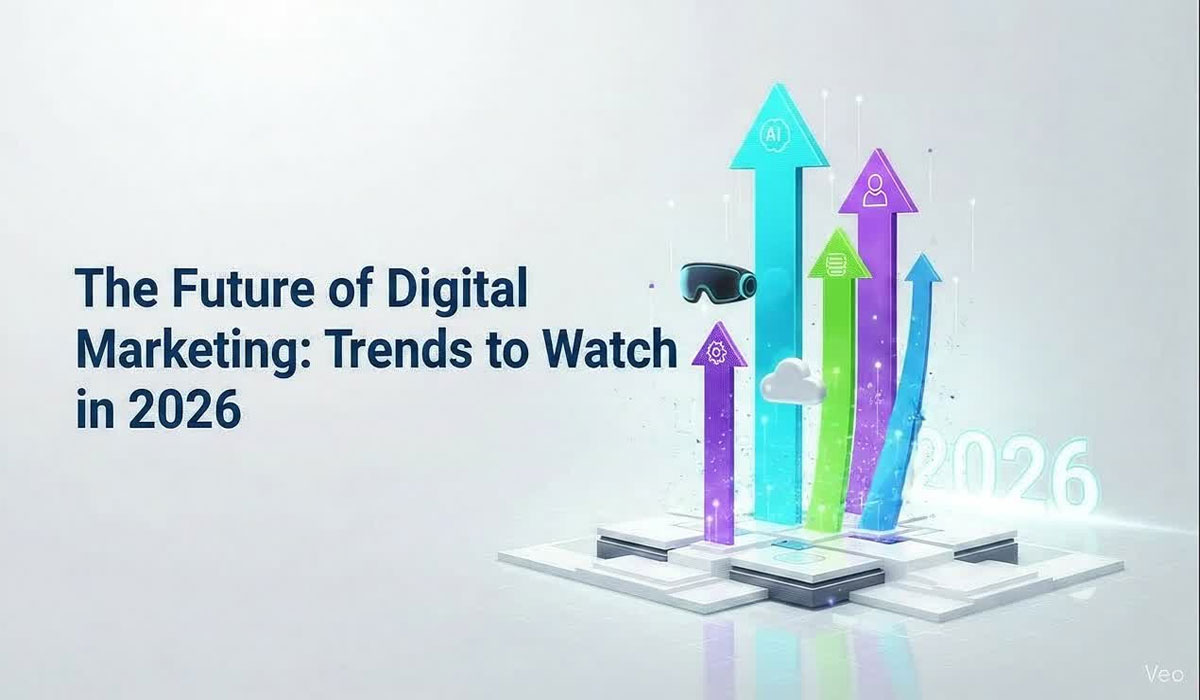
Convert interactions into loyal customers. As we move into 2026, digital marketing is not just about visibility it’s about creating meaningful, personalized experiences that resonate with consumers across multiple platforms. Understanding the emerging trends and tactics can make the difference between a brand that thrives and one that falls behind. Here, WikiTribune will discuss how every tool and strategy in digital marketing can enhance audience engagement and drive measurable results.
Personalization and Hyper-Targeted Campaigns
Personalization has become the cornerstone of modern digital marketing. Brands are leveraging data analytics, AI, and machine learning to deliver content and offers tailored to individual preferences. From personalized emails to dynamic website content, consumers now expect experiences that speak directly to their needs and interests.
Hyper-targeted campaigns go beyond basic demographics, considering behavioral data, purchase history, and even real-time interactions. By understanding customer journeys in detail, marketers can predict needs, suggest relevant products, and increase engagement. This approach not only drives conversions but also builds stronger customer loyalty.
Furthermore, personalization extends to messaging and timing. Delivering the right content at the right moment enhances the likelihood of interaction, ensuring campaigns feel relevant rather than intrusive. As 2026 approaches, brands that master personalization will gain a competitive edge in increasingly crowded digital spaces.
Artificial Intelligence and Automation
Artificial intelligence (AI) and automation are transforming digital marketing into a more efficient and insightful practice. AI-powered tools can analyze vast amounts of data to identify trends, segment audiences, and predict customer behavior. Marketers can leverage these insights to craft campaigns that are smarter, faster, and more impactful.
Automation also streamlines repetitive tasks, such as scheduling social media posts, sending email campaigns, or managing ad bids. This allows marketing teams to focus on strategy, creativity, and customer engagement, increasing overall productivity and campaign effectiveness.
Moreover, AI-driven chatbots and virtual assistants are enhancing customer interactions by providing instant support, answering queries, and guiding users through purchasing processes. The combination of AI and automation ensures that brands can maintain personalized, high-quality engagement at scale.
Content Marketing and Interactive Experiences

Content remains king in digital marketing, but the format and delivery are evolving rapidly. In 2026, interactive and immersive content such as polls, quizzes, AR/VR experiences, and live videos are gaining prominence. These formats encourage active participation, keeping audiences engaged longer and fostering stronger connections with the brand.
Storytelling is also shifting toward authenticity and value-driven messaging. Consumers increasingly respond to content that educates, entertains, or inspires rather than solely promoting products. Brands that prioritize meaningful narratives build trust and credibility, which are essential for long-term success.
Additionally, content marketing is now closely integrated with SEO, social media, and paid advertising strategies. A cohesive content approach ensures that messages reach the right audience across multiple touchpoints, reinforcing brand presence and driving measurable results.
Social Media and Emerging Platforms
Social media remains a powerful channel for digital marketing, but platforms are constantly evolving. In 2026, emerging networks and features, including short-form video, live streaming, and community-driven spaces, are reshaping how brands connect with audiences. Staying current with platform trends is critical to maintaining relevance and engagement.
Influencer marketing continues to grow, but with greater emphasis on authenticity and micro-influencers who have niche, highly engaged audiences. Collaborations with influencers can extend reach while building trust, as audiences perceive recommendations as more credible than traditional advertising.
Brands are also leveraging social commerce and in-app purchasing to reduce friction in the customer journey. By allowing users to explore and buy products directly within social platforms, marketers can create seamless experiences that drive sales while keeping audiences engaged in familiar environments.
Conclusion
The future of digital marketing in 2026 revolves around personalization, AI, content innovation, and platform adaptability. Marketers must embrace data-driven strategies, leverage automation, and create interactive experiences to meet evolving consumer expectations.
Social media and emerging platforms will continue to provide new opportunities for engagement, while authenticity and meaningful storytelling remain central to building trust. By staying ahead of trends and implementing forward-thinking tactics, brands can not only survive but thrive in a digital world that grows more complex and competitive every day.
Image Source:
- First Image from linkedin.com
- Second Image from collatiointeractive.com
