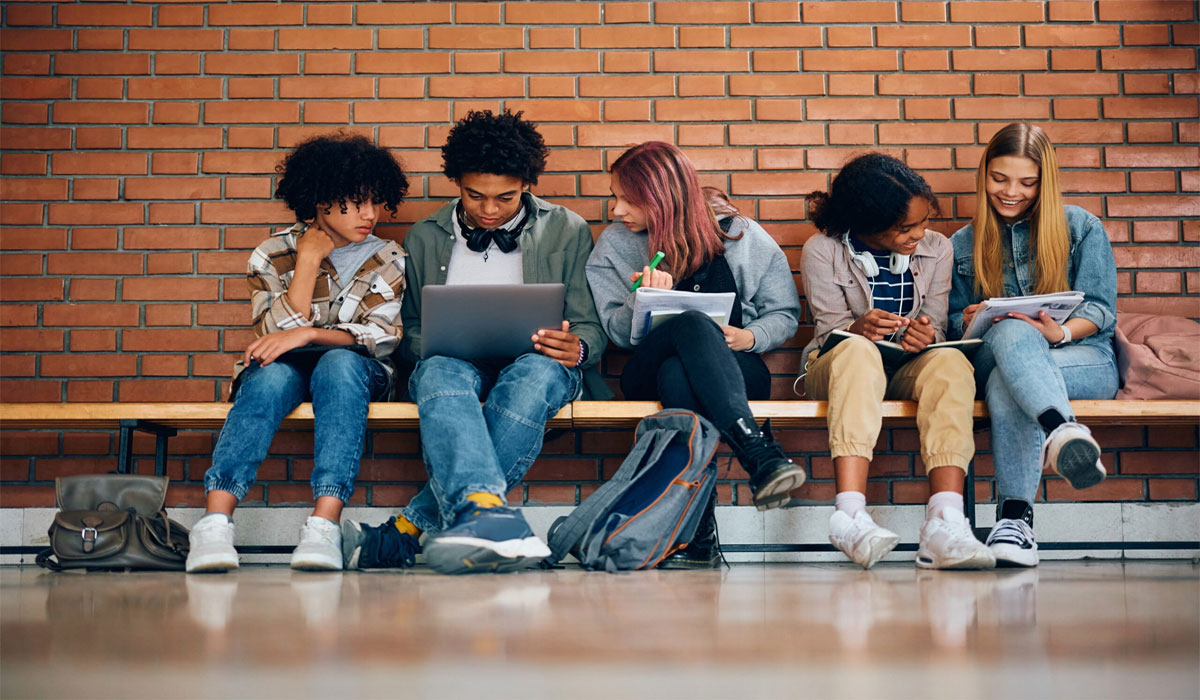
Uncover the surprising realities of modern education! Learn what’s missing in schools and how it impacts students’ success today.
Modern education promises knowledge and opportunity, but many hidden truths remain untold. From outdated teaching methods to overlooked skills, students often face gaps that affect their learning and future careers.
This WikiTribune | First Class Online Web Por explores the shocking realities of today’s education system, why certain lessons are neglected, and what students can do to thrive despite the challenges. Dive in to discover insights that may change how you see schooling and its impact on personal and professional growth.
Outdated Curriculum And Teaching Methods
Many schools still follow curricula developed decades ago, which may not reflect the skills needed in today’s world. Students often memorize facts rather than think critically or solve real-world problems.
Traditional teaching methods, such as lecture-based instruction, can limit engagement. Many students struggle to stay motivated when lessons don’t connect to their interests or future careers.
Educators are beginning to explore modern approaches like project-based learning and interactive lessons. However, widespread adoption remains slow, leaving many students behind in crucial areas like digital literacy and innovation.
Lack Of Life Skills Education
Modern education often focuses on academic subjects, neglecting practical life skills. Skills like financial literacy, communication, time management, and emotional intelligence are rarely taught.
Without these abilities, students may graduate with strong test scores but feel unprepared for real-world challenges. Life skills are essential for personal growth, career success, and mental well-being.
Some innovative schools now integrate life skills training into their programs. These initiatives help students navigate adulthood, work environments, and societal responsibilities more confidently.
Also Read: Viral Revelation! Digital Marketing Strategies That Experts Are Desperate To Keep Hidden
The Digital Divide And Technology Gaps
Technology is integral to today’s learning, yet many students face unequal access to digital tools. Schools in underserved areas often lack computers, reliable internet, or educational software.
Students with limited access struggle to keep up with peers, widening the achievement gap. Even in well-equipped schools, teachers may lack training to use technology effectively.
Bridging the digital divide requires investment in infrastructure, teacher training, and inclusive policies. Equitable technology access ensures all students can participate fully in modern education.
Standardized Testing And Pressure
Standardized tests dominate many education systems, emphasizing rote memorization over creativity and critical thinking. Students face immense pressure to perform, sometimes at the expense of mental health.
This test-focused environment may limit exploration of personal interests and stifle curiosity. Many students feel their worth is measured only by scores, rather than their unique talents or potential.
Reforms in some countries introduce alternative assessments, including portfolios, project work, and continuous evaluations. These approaches aim to measure holistic learning, reducing stress and encouraging genuine skill development.
The Need For Lifelong Learning
Education shouldn’t end at graduation. The modern workforce requires constant adaptation and learning, which traditional systems often fail to emphasize.
Promoting lifelong learning includes fostering curiosity, problem-solving, and the ability to acquire new skills independently. Students need guidance to develop habits that support ongoing personal and professional growth.
Communities, online courses, and mentorship programs can complement formal education. By encouraging continuous learning, students stay competitive, adaptable, and ready for an ever-changing world.
Image Source:
- First Image from liputan6.com
- Second Image from pendidikan.id